
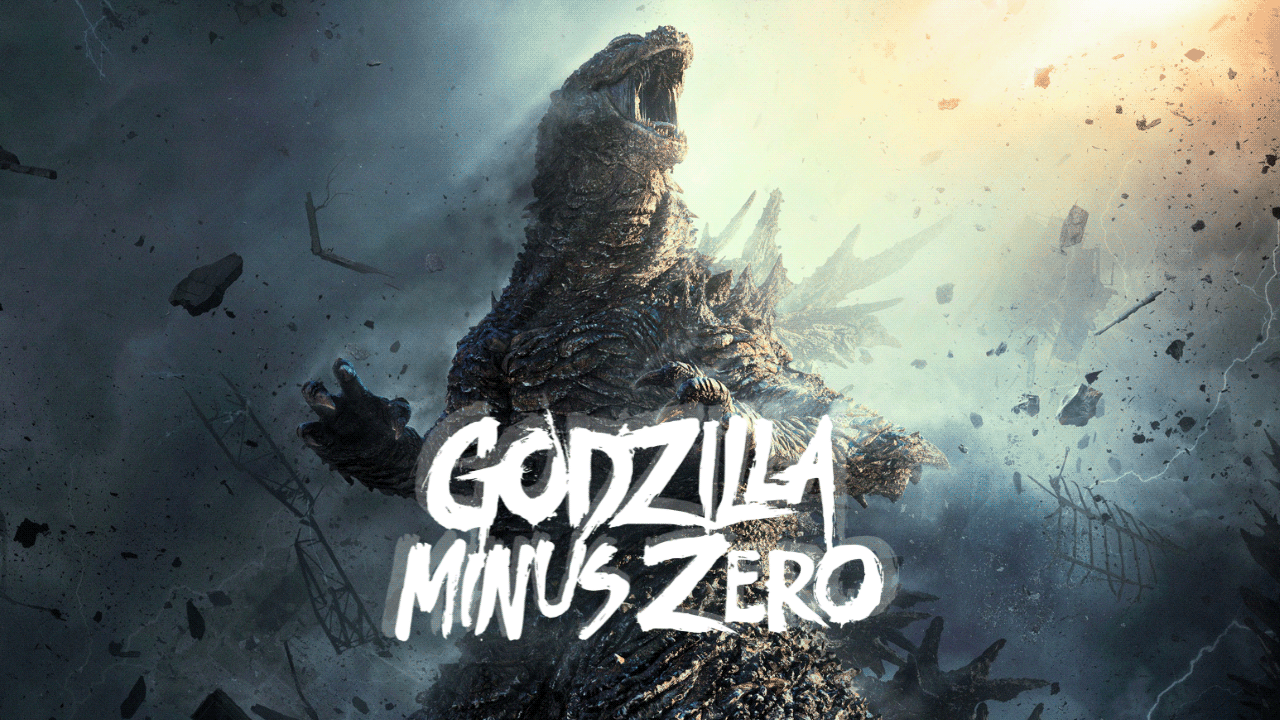
Godzilla Minus Zero (Christian Movie Review)
With a less focused narrative and a surprising lack of Godzilla himself, Godzilla Minus Zero doesn’t reach the heights of its predecessor, but it’s a worthy sequel that once again keeps the emphasis on the emotional, life-affirming human drama in the middle of the thrilling monster action spectacle.
About the Film
For over seven decades, Godzilla has embodied a sense of wonder and horror, towering over cinema as a metaphor for the social anxieties of the day. The iconic monster’s popularity was in danger of waning after a string of lackluster American-made films, but the Japanese-made Godzilla Minus One (2023) changed that. The surprise mega hit earned an Academy Award for Best Special Effects, and with its refreshingly earnest and throwback approach, was a reminder that monster movies could be so more than just a showcase of mindless spectacle. With a less focused narrative and a surprising lack of Godzilla himself, Godzilla Minus Zero doesn’t reach the heights of its predecessor, but it’s a worthy sequel that once again keeps the emphasis on the emotional, life-affirming human drama in the middle of the thrilling monster action spectacle.
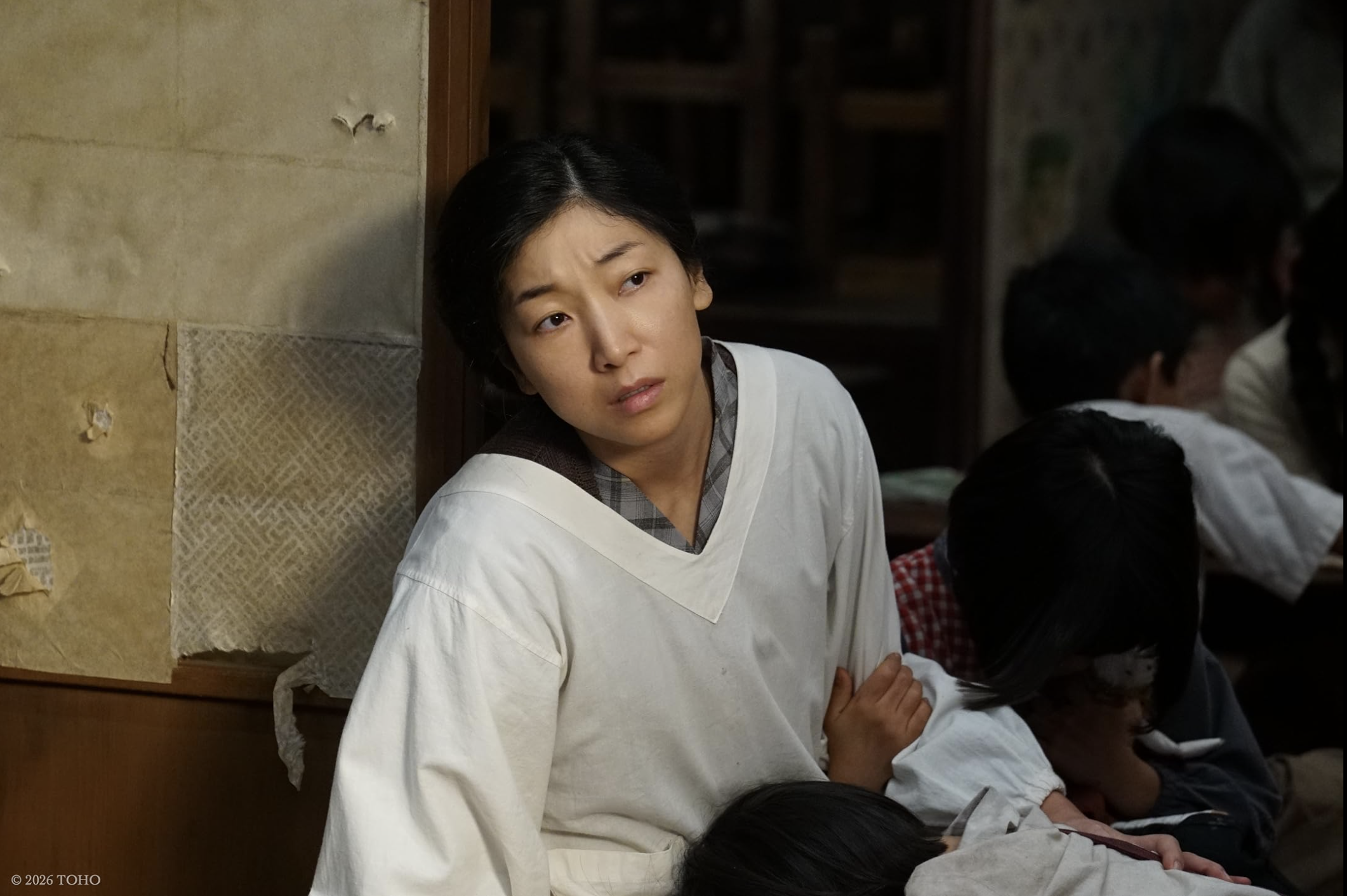
Godzilla Minus One is an (atomic) breath of fresh air in the genre. For the sequel, director Takashi Yamazaki effectively toes that line of offering something “bigger” without losing the original film’s heart. Godzilla Minus Zero serves up some supersized, high-spectacle monster-on-monster action, but also doubles down on the quieter and more introspective aspects that made the first film great. This is a human drama set against a backdrop of a world threatened by monsters, rather than a mere monster flick that features some obligatory human characters. The monster action is entertaining, but it’s in service to the emotional and moral journeys of the human characters.
If anything, the film may lean too far into the emotional drama, demonstrating too much restraint. Godzilla Minus Zero is thematically and emotionally rich, but also less fun than the crowd-pleasing first film. Tonally, the film is somber and heavy, reflected in the R-rating (the previous film was PG13). The more mature visuals and material are not gratuitous, but the film is more direct and honest about the destructive horror wrecked by both humans and kaiju alike. Godzilla Minus Zero doesn’t flinch or turn away from the harsh reality of death and suffering, but neither does it glorify or cheapen it. Instead, it explores it in a way that elevates the beauty of life (with a life-affirming ending shot that’s one of my favorites of the year).
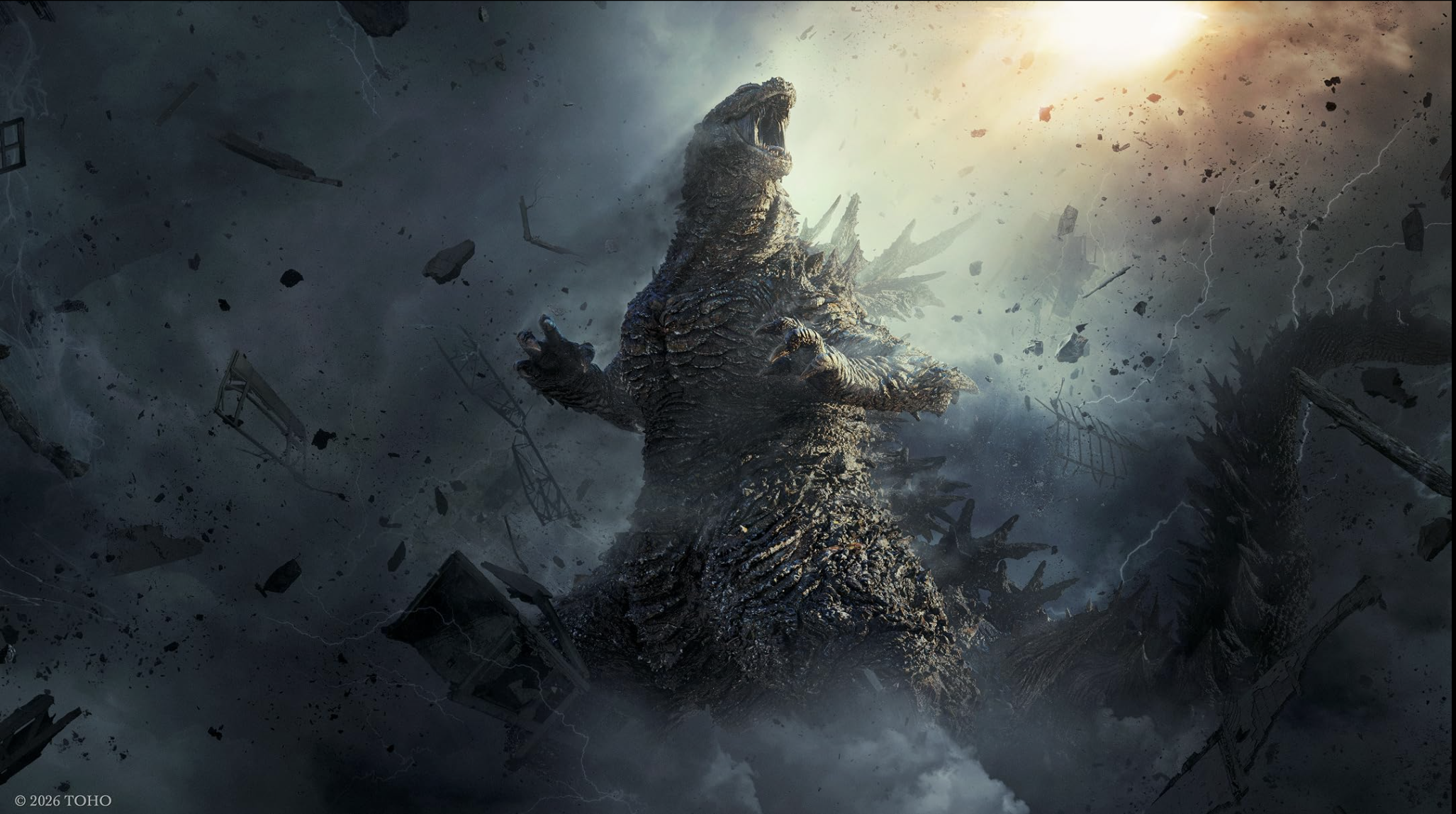
For all its deeper human themes, monster movies still need good monsters. There are some here—although perhaps not as much as audiences might want. When on screen, the monsters are captivating. King Ghidorah, the film’s new kaiju, is menacing, and another impressive showcase of visual effects. The climatic Godzilla and King Ghidorah showdown is suitably epic, and the film effectively builds tension and anticipation for the inevitable conflict between the titans.
Despite the impressive monsters and thrilling action, Godzilla Minus Zero sometimes feels like a continual build toward payoff moments that never fully arrive. The action is heavily backloaded in the film’s runtime. Godzilla himself is almost entirely absent from the movie, emerging only at the end for the climactic kaiju showdown. When he does finally appear, his appearance is a bit of a letdown, as he is largely sidelined even during the climactic showdown. By the end credits, Godzilla feels less threatening and impressive than the unstoppable force of nature established in the first film.
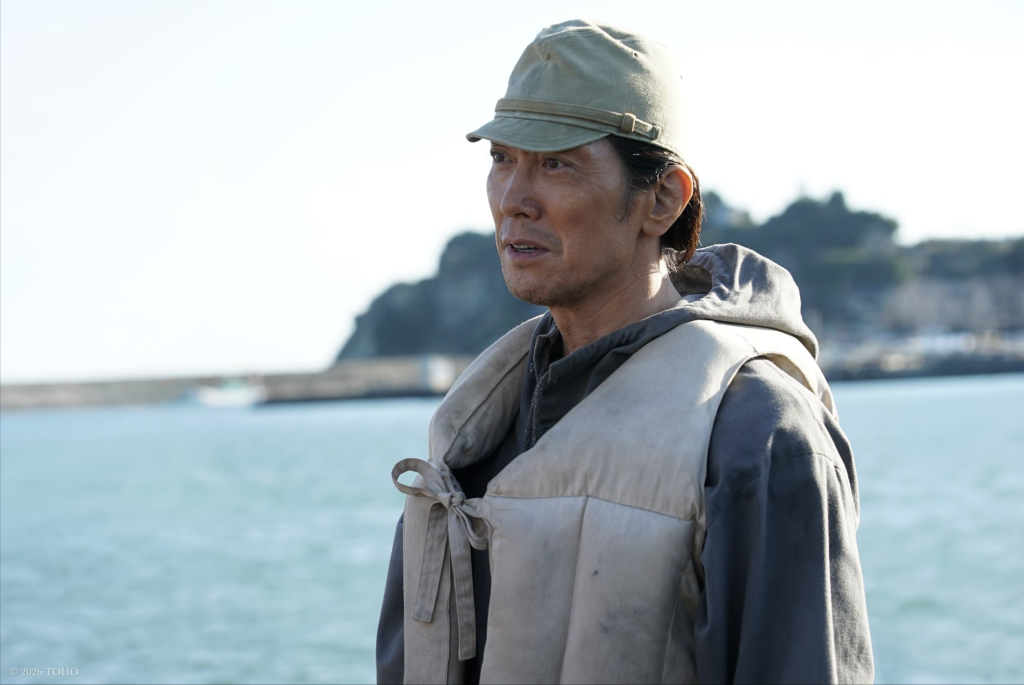
As with the first movie, this is a Japanese language film (with English subtitles). While a dubbed version is likely to be released as well, the original language is an important reminder that Godzilla is difficult to separate from its Japanese roots. The character is a metaphor and a means to process the trauma of the atomic bomb and its aftermath, and that cultural significance is at the center of Godzilla Minus Zero. As part of that, this film offers an unfavorable depiction of America (akin to how many Hollywood films depict a country like Russia). Nevertheless, as a metaphor, Godzilla transcends any singular cultural meaning. Godzilla Minus Zero is narratively less focused than the previous film, focusing on more characters and subplots. But thematically, it is a thoughtful exploration of grief and clinging to life in the middle of a broken world of violence and death (see themes below).
In the end, Godzilla Minus Zero may not reach the lofty heights of Godzilla Minus One, but it’s still one of the better monster movies in recent memory. It succeeds by respecting that the genre can be more than empty spectacle, and that having a monster’s name in the title doesn’t prohibit the telling of a deeply human story. Could the film have used a bit more of that iconic monster, and had a bit more popcorn-munching fun? Perhaps. But in a Hollywood era where films seem designed to merely dazzle the eyes, Godzilla Minus Zero is a film that stirs the heart and affirms the beauty of life and hope even amid the wreckage of a violent world.
For Consideration
On the Surface—(Profanity, Sexual content, violence, etc.).
Language: The dialogue is spoken in Japanese, but in the subtitles is one use of “frickin” and several minor profanities.
Violence: Much of the violence is intentionally unsettling as an embodiment of the horrors of the atomic bomb. Several charred bodies are shown after the aftermath of the bomb. Scenes in a hospital show people bloodied and wounded, including several who have grown Godzilla-like scales as an infection. There are moments of disturbing violence that is implied but not shown, such a mother and child screaming before becoming victims of the monster-induced carnage (their deaths are certain but not shown).
Sexuality: None.
Engage The Film
Affirming Life in a Violent World
If Godzilla Minus One was about learning to embrace the sanctity of life, then Godzilla Minus Zero is about how to piece a life back together and move forward in the middle of a violent and chaotic world still trapped in a seemingly endless cycle of death and destruction. In different ways, the characters each face the question of what to release and what to cling onto to and carry with them.
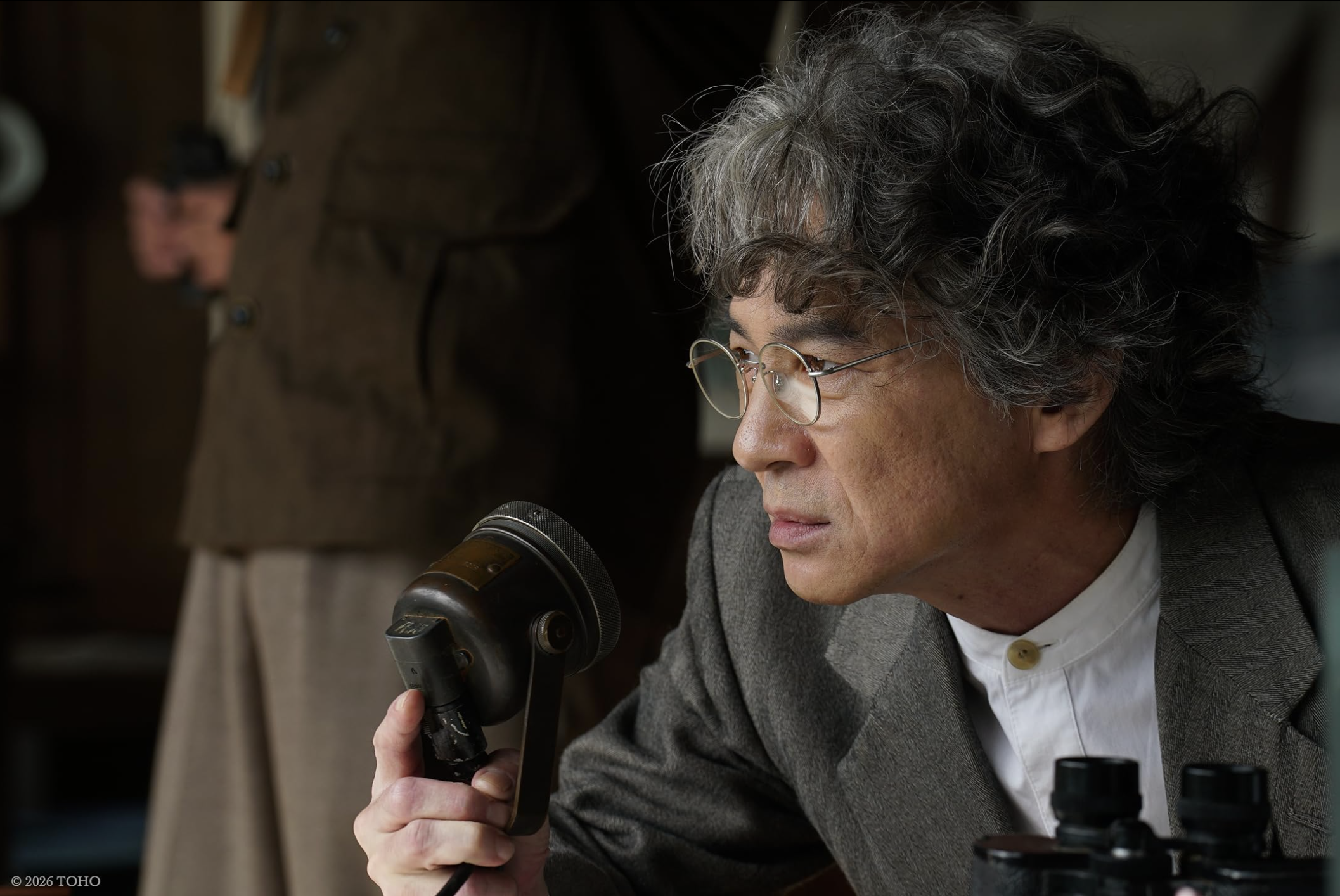
The film includes frequent quotes about divine providence or miracles, infusing the story with a spiritual dimension (even if the spirituality is left ambiguous and undefined). In a sense, the film echoes Hebrews 12:1-3, and the need to discard any sin or obstacle that entangles us, and instead, to move forward with perseverance, fixing our eyes on God, and all that is good, true, and beautiful.
For several of the characters, they carry regret from their past of people they failed to save, or mistakes made that cost the lives of others. One man carries the burden of anger and a lust for revenge that consumes and dehumanizes him. The tension also plays out in the context of a family unit, as they navigate personal or communal duty with the responsibility to protect their family. It is refreshing to see heroism unfold within the context of a family and have these family bonds treated as a strength rather than a burden. The film’s final shot is a powerful affirmation of life, and even of a pro-life conviction, that the best way to confront a broken and difficult world is to cling even harder to life and the values that we hold dear.


